


We Make
Normal Plants
Supernormal
We Make
Normal Plants
Supernormal
Our Botanicals are
Everything but Normal
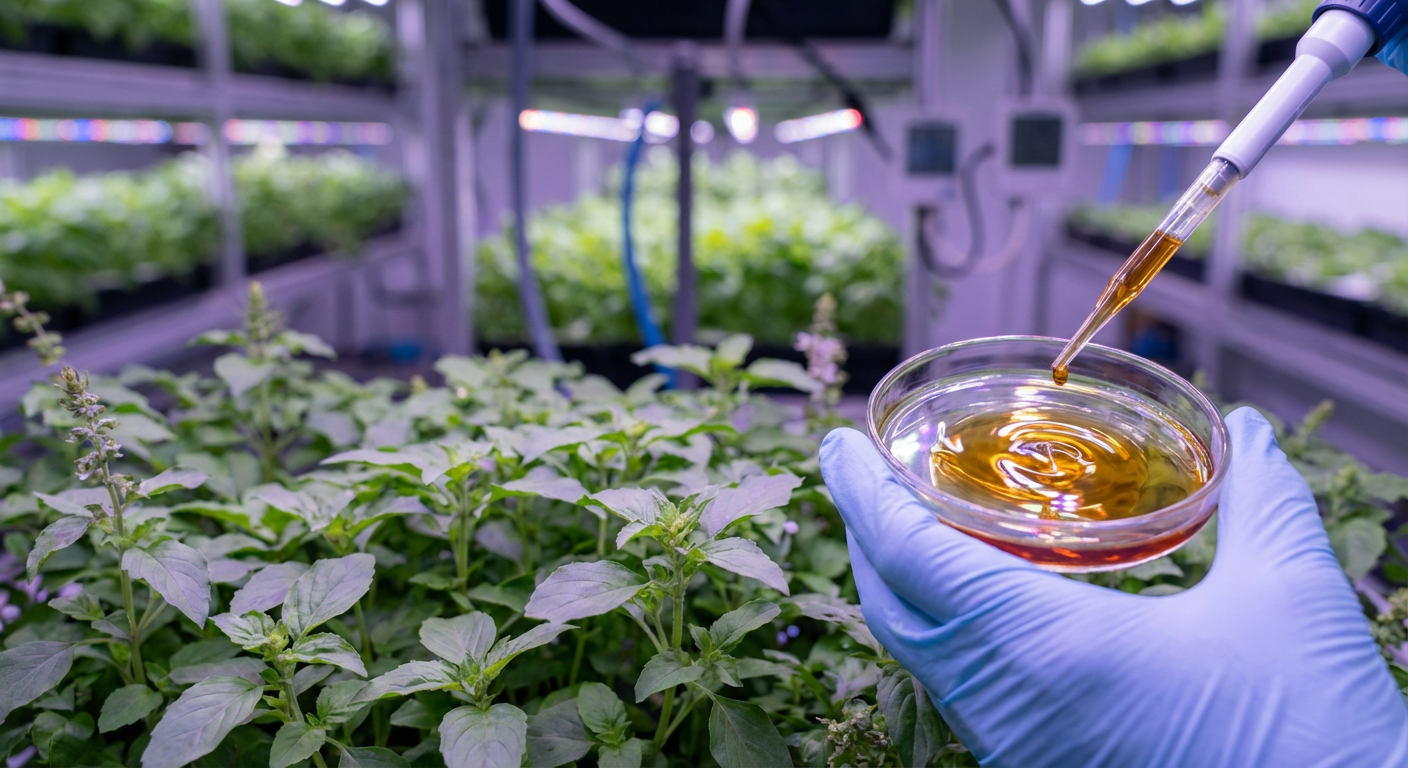
Traditional botanicals often come with real challenges: inconsistent quality, seasonal variability, reliance on pesticides, and complex supply chains that make traceability difficult. These factors can affect potency, reliability, and the credibility of the final ingredient.
At Supernormal Greens, we approach plant cultivation differently. By growing botanicals in protected, controlled environments, we can optimize conditions that influence plant chemistry and performance.
The result is botanicals that are more potent, consistent batch after batch, pesticide-free, and fully traceable from seed to final ingredient—designed for teams that require reliability, transparency, and reproducible plant inputs.
Creating Stronger and More Potent Botanical Ingredients

Designed for Industrial
Performance
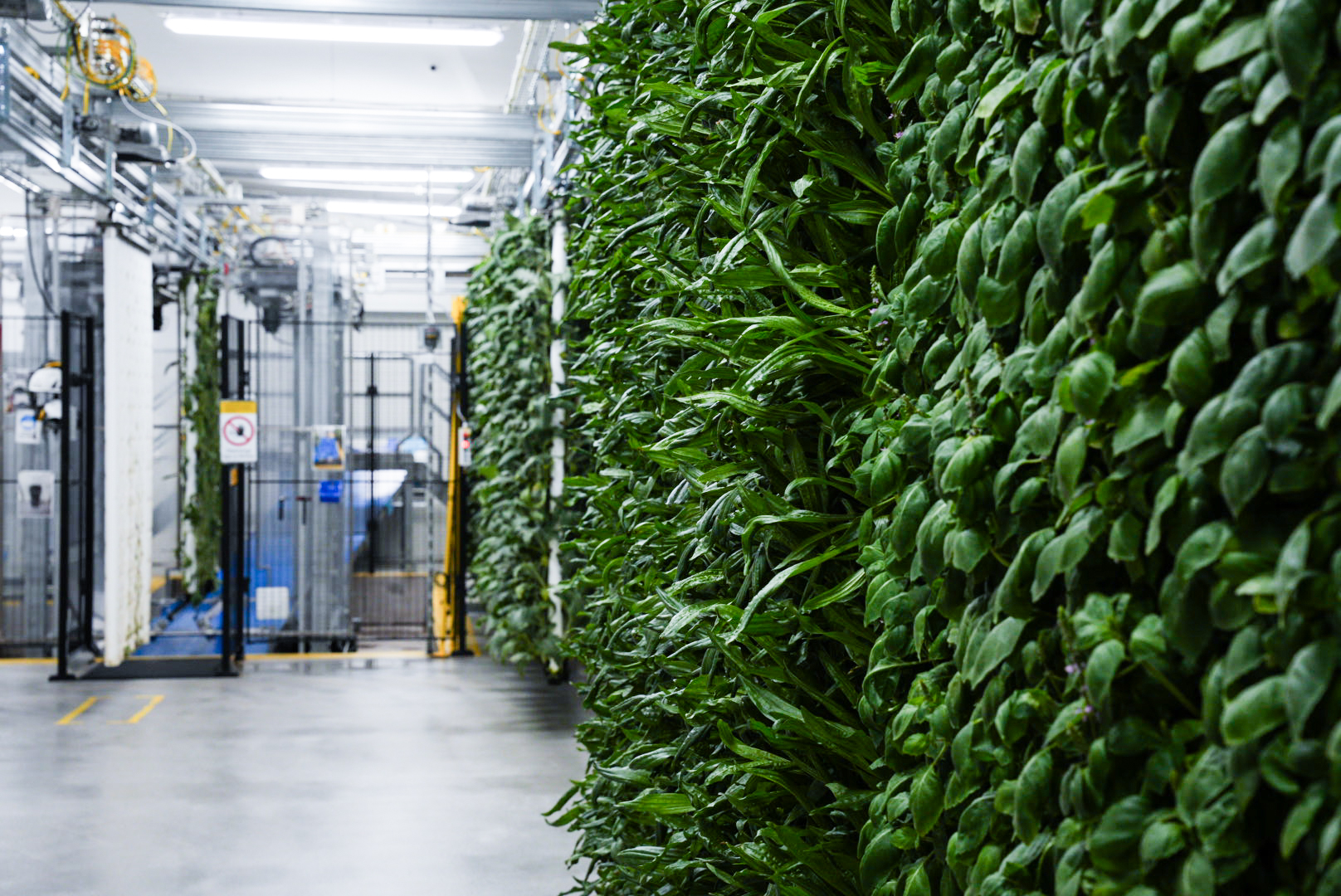
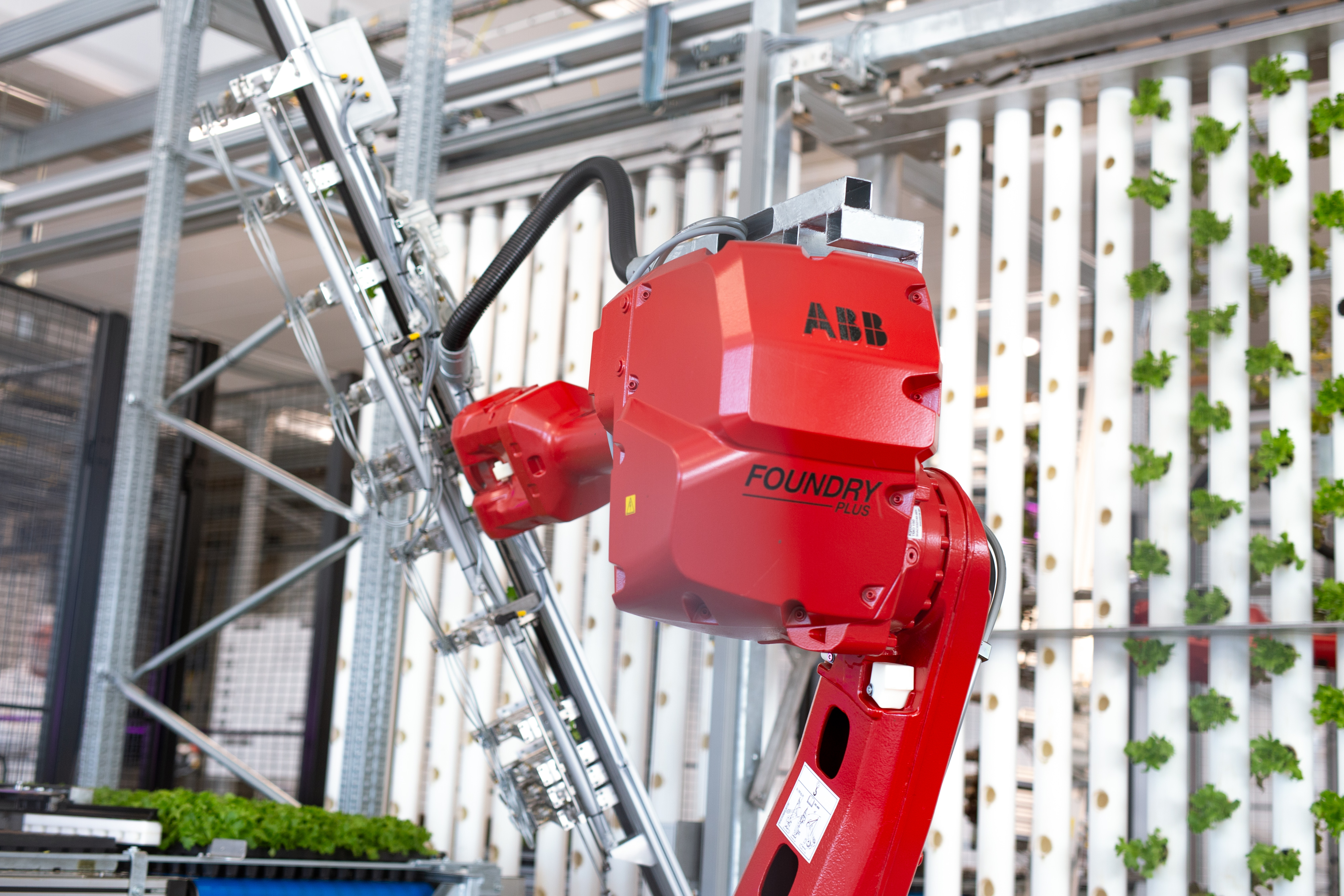
Supernormal Greens operates a 7,000 sqm fully automated vertical farm designed to produce botanical ingredients with industrial reliability. Advanced automation and robotic systems manage cultivation, handling, and processing, enabling precise control over growing conditions and plant development at scale.
Within this controlled environment, plants can be exposed to carefully designed stress signals and elicitation strategies that influence metabolite production. These capabilities allow large-scale elicitation programs to be implemented consistently, something that is not possible in conventional agriculture.
Each year, approximately 3.6 million plants are cultivated and processed within an integrated platform where R&D and industrial production operate side by side. This structure allows insights from plant science to move rapidly from experimentation to scalable ingredient production.
Our Plants
Explore our portfolio of carefully selected plants developed for measurable potency, consistent quality, and formulation-ready botanical ingredients. Our plants supports applications across cosmetics, nutraceuticals, and pharma-adjacent research, with botanicals chosen for their relevance in modern ingredient development.
How we Turn
Normal Plants Into Supernormal Plants
We Listen and Decode
We begin with a normal plant and observe its real-time physiological responses to environmental changes. This allows us to understand how the plant itself signals stress, adaptation, and metabolic activation.
We Apply Precision Stress
By identifying which environmental signals trigger specific adaptive and defensive pathways, we design controlled elicitation strategies that activate targeted biosynthetic routes and increase defined molecules.
Plants Produce Actives
By precisely controlling every relevant growth parameter, we can reproduce these responses consistently, resulting in higher potency, quality, and repeatability, batch after batch.

From Seed to Your
Desired Ingredient
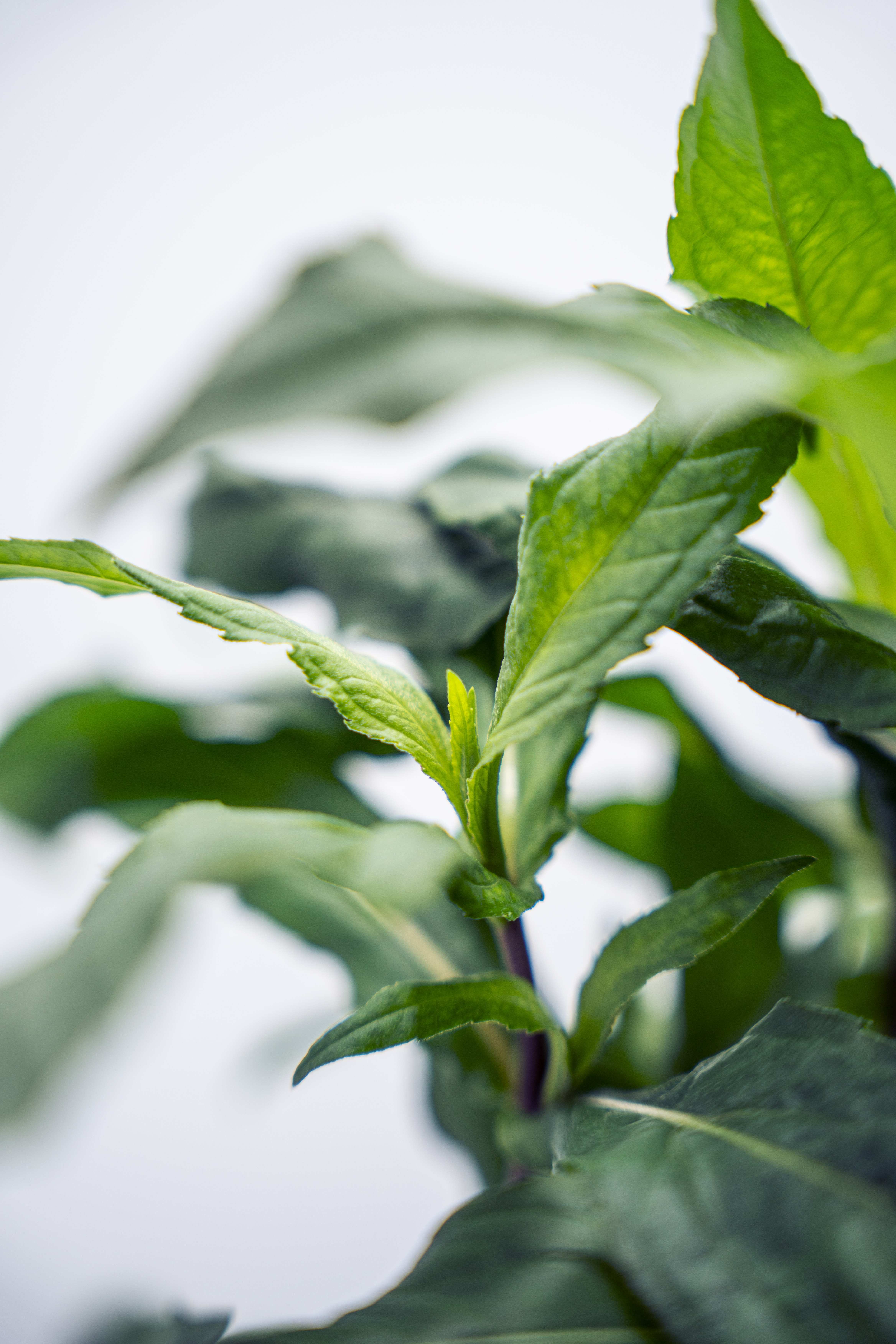
From seed to ingredient, the entire process takes place within one integrated system. Plants are cultivated in controlled environments to produce consistent and traceable biomass, which can be supplied fresh, frozen, dried, freeze-dried, milled, or micronized depending on the application.
After harvest, plant material moves into our processing and analytical laboratories where techniques such as HPLC and LC-MS are used to profile the chemical composition of the plants. This allows us to understand metabolite expression and guide how ingredients should be processed and extracted.
With a wide toolbox of processing and extraction methods available, we can adapt the approach to the plant and the desired functional outcome, delivering liquid extracts, powders, concentrated actives, or standardized extracts ready for formulation.
Latest Insights
Unlocking the Potential of Melissa Officinalis: A Deep Dive for B2B Ingredient Buyers
Can Artichoke Extract Improve Hair Growth? A Look at the Evidence
Mechanism of Action: How Rosmarinic Acid Neutralizes Oxidative Stress in Dermal Layers